Buy xbedo.com ?
We are moving the project
xbedo.com .
Are you interested in purchasing the domain
xbedo.com ?
domain@kv-gmbh.de · 0541-91531010
Buy xbedo.com ?
What are peptide bonds?
Peptide bonds are covalent bonds that link amino acids together in a protein chain. They are formed through a condensation reaction between the carboxyl group of one amino acid and the amino group of another amino acid, resulting in the release of a water molecule. Peptide bonds are crucial for maintaining the structure and function of proteins, as they determine the sequence of amino acids in a protein chain. **
What is correct: peptide bond?
A peptide bond is a covalent bond that forms between the carboxyl group of one amino acid and the amino group of another amino acid during protein synthesis. This bond is formed through a condensation reaction, where a molecule of water is removed. The resulting bond is a strong and stable linkage that holds the amino acids together in a protein chain. Therefore, the correct term is "peptide bond" to describe this specific type of covalent bond between amino acids. **
Similar search terms for MEDIPEEL-Peptide-9-Lift-Tox
Top-Angebote
Products related to MEDIPEEL-Peptide-9-Lift-Tox:
-
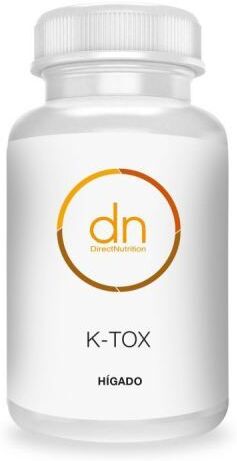
Direct Nutrition K-Tox 60cap.Nutrition and Supplements Special supplements Direct Nutrition K-Tox 60cap. -Tox K is a combination of powerful antioxidants and natural lipotropic that act synergistically against liver and immunological disorders of various kinds. For its formulation is indicated for acute and chronic liver inflammation, toxic habits like alcohol, snuff or drugs, fatty liver, unbalanced diet rich in fat, low state of defense or just to improve the overall health and to begin therapeutic treatment . There may be a strong odor due to sulfur-containing compounds, mainly due to the N-acetyl-cysteine and L-methionine. Directions: Take 2 capsules before lunch and 1 before dinner or as professional advice.16,92 £*Shipping: 3,99 £Secure redirect to the provider

-
What is a peptide bond, peptide chain, peptide group, di-, tri-, and polypeptide? Can you please explain this briefly and simply? Thank you.
A peptide bond is a chemical bond that forms between the carboxyl group of one amino acid and the amino group of another amino acid. When multiple amino acids are linked together by peptide bonds, they form a peptide chain. A peptide group refers to a group of amino acids linked together by peptide bonds. A dipeptide is a chain of two amino acids, a tripeptide has three amino acids, and a polypeptide is a chain of many amino acids linked together. These chains of amino acids are the building blocks of proteins. **
-
Why are peptide bonds not freely rotatable?
Peptide bonds are not freely rotatable because of the partial double bond character that arises from resonance in the peptide bond. This restricts the rotation around the bond and locks the peptide backbone into a planar structure. The resonance forms a rigid, flat structure that allows for the formation of the alpha helix and beta sheet secondary structures in proteins. This rigidity is essential for maintaining the specific three-dimensional shape and function of proteins. **
-
How does hydrolysis occur during peptide cleavage?
Hydrolysis occurs during peptide cleavage when a water molecule is used to break the bond between the carboxyl group of one amino acid and the amino group of another. This process involves the addition of a water molecule to the peptide bond, resulting in the separation of the two amino acids. The water molecule donates a hydrogen ion to one amino acid and a hydroxide ion to the other, causing the bond to break and the peptide to be cleaved. This hydrolysis reaction is catalyzed by enzymes called proteases, which facilitate the cleavage of peptides in biological systems. **
-
What is the stability of peptide bonds?
Peptide bonds are relatively stable under normal physiological conditions. They are formed through a condensation reaction between the carboxyl group of one amino acid and the amino group of another, resulting in the release of a water molecule. This covalent bond is strong and resistant to hydrolysis, making it stable in the presence of water. However, under extreme conditions such as high temperature or strong acids or bases, peptide bonds can be hydrolyzed, leading to the breakdown of the peptide chain. **

How can one recognize mesomerically stabilized peptide bonds?
Mesomerically stabilized peptide bonds can be recognized by the presence of resonance structures in the peptide bond. This is typically observed when the peptide bond is part of a conjugated system, such as in the case of proline or in the presence of aromatic amino acids like phenylalanine or tyrosine. The presence of resonance structures indicates that the electrons in the peptide bond are delocalized, leading to increased stability. Additionally, mesomerically stabilized peptide bonds may exhibit altered reactivity compared to non-stabilized peptide bonds, making them important in the study of protein structure and function. **
How does one go from DNA to peptide?
The process of going from DNA to peptide involves several steps. First, the DNA sequence is transcribed into messenger RNA (mRNA) by the enzyme RNA polymerase. The mRNA is then translated by ribosomes, which read the mRNA sequence in groups of three nucleotides called codons. Each codon corresponds to a specific amino acid, which is the building block of a peptide. As the ribosome reads the mRNA, it links together the corresponding amino acids to form a peptide chain. This chain of amino acids folds into a specific three-dimensional structure to form a functional peptide. **
Top-Angebote
Products related to MEDIPEEL-Peptide-9-Lift-Tox:
-
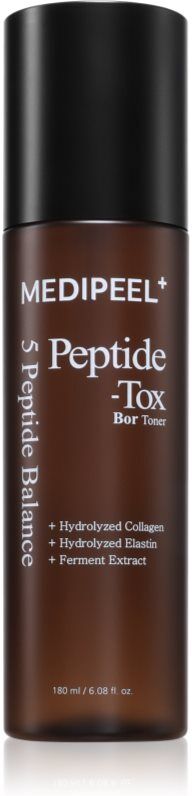
MEDIPEEL+ Peptide-Tox Bor Toner moisturising and lifting toner for the face 180 mlMEDIPEEL+ Peptide-Tox Bor Toner, 180 ml, Skin Toners for Women, Something that’s just as important as the cleansing process itself is the transition between cleansing and the skincare routine that follows. The individual steps in these processes are connected in the ideal way and your entire routine is enriched by using a facial toner MEDIPEEL+ Peptide-Tox Bor Toner. It takes care of complete skin cleansing, removing makeup residue, impurities and cleansers while gently toning the skin. It leaves it not only perfectly clean and ready for any treatment that follows, but also refreshed, soothed and balanced. Characteristics: regenerates the skin it hydrates and nourishes the skin practical and sanitary application helps to smooth out wrinkles and fine lines How to use: Put on a cotton wool pad and apply to skin using circular movements. Apply to the face using gentle movements.13,52 £*Shipping: 3,99 £Secure redirect to the provider
-
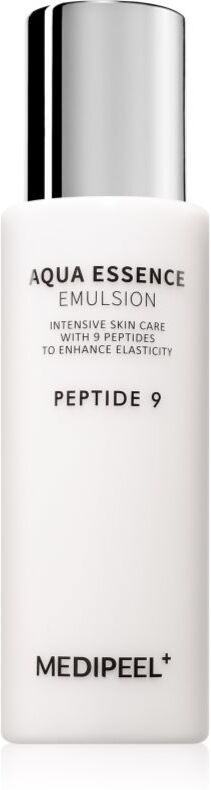
MEDIPEEL+ Peptide 9 Aqua Essence Emulsion hydrating emulsion to firm and lift 250 mlMEDIPEEL+ Peptide 9 Aqua Essence Emulsion, 250 ml, Skin Toners for Women, Want to streamline your cleansing routine? The MEDIPEEL+Peptide 9Aqua Essence Emulsion makeup removal wipes not only help to better remove impurities, makeup residue and excess sebum from the skin, but are also ideal for gentle exfoliation. In addition, its use helps blood circulation, which in turn promotes skin regeneration. Characteristics: hydrates deeply washes the whole face gently and thoroughly mattifies skin does not irritate the skin in a glass container does not clog pores How to use: Apply in the morning and/or evening to a damp face and lather.13,76 £*Shipping: 3,99 £Secure redirect to the provider
-
What are peptide bonds?
Peptide bonds are covalent bonds that link amino acids together in a protein chain. They are formed through a condensation reaction between the carboxyl group of one amino acid and the amino group of another amino acid, resulting in the release of a water molecule. Peptide bonds are crucial for maintaining the structure and function of proteins, as they determine the sequence of amino acids in a protein chain. **
-
What is correct: peptide bond?
A peptide bond is a covalent bond that forms between the carboxyl group of one amino acid and the amino group of another amino acid during protein synthesis. This bond is formed through a condensation reaction, where a molecule of water is removed. The resulting bond is a strong and stable linkage that holds the amino acids together in a protein chain. Therefore, the correct term is "peptide bond" to describe this specific type of covalent bond between amino acids. **
-
What is a peptide bond, peptide chain, peptide group, di-, tri-, and polypeptide? Can you please explain this briefly and simply? Thank you.
A peptide bond is a chemical bond that forms between the carboxyl group of one amino acid and the amino group of another amino acid. When multiple amino acids are linked together by peptide bonds, they form a peptide chain. A peptide group refers to a group of amino acids linked together by peptide bonds. A dipeptide is a chain of two amino acids, a tripeptide has three amino acids, and a polypeptide is a chain of many amino acids linked together. These chains of amino acids are the building blocks of proteins. **
-
Why are peptide bonds not freely rotatable?
Peptide bonds are not freely rotatable because of the partial double bond character that arises from resonance in the peptide bond. This restricts the rotation around the bond and locks the peptide backbone into a planar structure. The resonance forms a rigid, flat structure that allows for the formation of the alpha helix and beta sheet secondary structures in proteins. This rigidity is essential for maintaining the specific three-dimensional shape and function of proteins. **
Similar search terms for MEDIPEEL-Peptide-9-Lift-Tox
-
Direct Nutrition K-Tox 60cap.Nutrition and Supplements Special supplements Direct Nutrition K-Tox 60cap. -Tox K is a combination of powerful antioxidants and natural lipotropic that act synergistically against liver and immunological disorders of various kinds. For its formulation is indicated for acute and chronic liver inflammation, toxic habits like alcohol, snuff or drugs, fatty liver, unbalanced diet rich in fat, low state of defense or just to improve the overall health and to begin therapeutic treatment . There may be a strong odor due to sulfur-containing compounds, mainly due to the N-acetyl-cysteine and L-methionine. Directions: Take 2 capsules before lunch and 1 before dinner or as professional advice.16,92 £*Shipping: 3,99 £Secure redirect to the provider
-
Bielenda Professional Eye Lift Program Peptide Firming Serum firming eye serum with peptides 30 mlBielenda Professional Eye Lift Program Peptide Firming Serum, 30 ml, Eye Serums for Women, The eye area is a highly sensitive area, as the skin there is exceptionally thin and fragile, making it more susceptible to signs of fatigue and ageing. It therefore also requires special treatment with ingredients and consistencies designed exactly for its needs. The Bielenda Professional Eye Lift Program Peptide Firming Serum eye serum is a great addition to your favourite cream whenever it feels as though your regular eye care routine needs a bit extra. It pampers the skin around your eyes and delivers an intensive treatment. With its high concentration of active ingredients, the effect it has on your skin is far more pronounced and faster than with an eye cream or regular face cream. Characteristics: restores skin elasticity effectively smooths wrinkles and fine lines nourishes the eye area intensively gives skin a fresh and rested appearance suitable for facial massage for example with gua sha stones, rollers etc. Ingredients: lactic acid – helps to remove dead skin cells, supports the natural process of cell renewal and at the same time has hydrating effects, smooths rough texture and unclogs pores hyaluronic acid – binds large quantities of water and hydrates intensively vegan product How to use: Shake the serum bottle well before use. Apply to the clean eye area and dab on gently with the fingertips.7,40 £*Shipping: 3,99 £Secure redirect to the provider
-
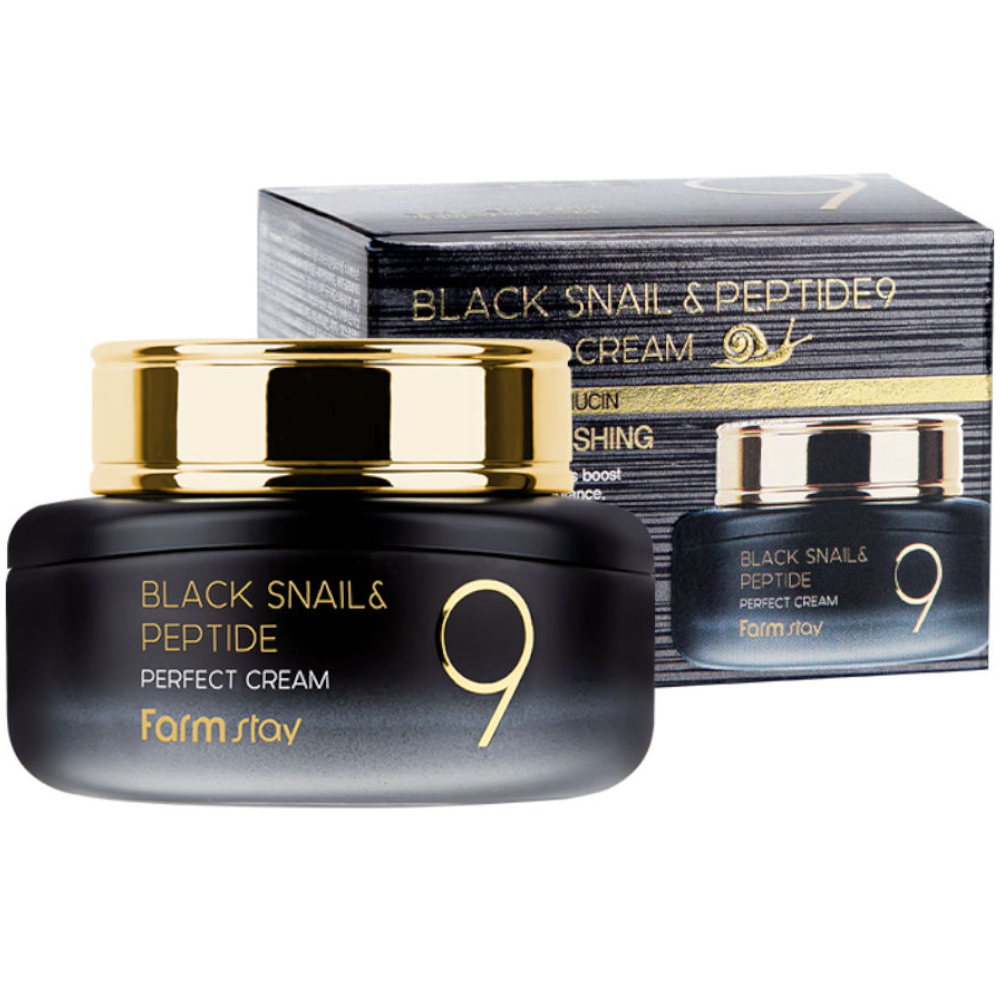
FarmStay Black Snail and Peptide 9 Perfect Facial Cream 55mLA facial cream for dark spots and uneven skin tone. Improved skin elasticity and firmness. Multidirectional action: moisturizes, tightens, evens skin tone. Protection against external stressors and aging damage. Smooth, soft texture that absorbs quickly without residue. Polypeptides: stimulate collagen, reduce expression lines, defend against free radicals.8,91 £*Shipping: 6,94 £Secure redirect to the provider
-
How does hydrolysis occur during peptide cleavage?
Hydrolysis occurs during peptide cleavage when a water molecule is used to break the bond between the carboxyl group of one amino acid and the amino group of another. This process involves the addition of a water molecule to the peptide bond, resulting in the separation of the two amino acids. The water molecule donates a hydrogen ion to one amino acid and a hydroxide ion to the other, causing the bond to break and the peptide to be cleaved. This hydrolysis reaction is catalyzed by enzymes called proteases, which facilitate the cleavage of peptides in biological systems. **
-
What is the stability of peptide bonds?
Peptide bonds are relatively stable under normal physiological conditions. They are formed through a condensation reaction between the carboxyl group of one amino acid and the amino group of another, resulting in the release of a water molecule. This covalent bond is strong and resistant to hydrolysis, making it stable in the presence of water. However, under extreme conditions such as high temperature or strong acids or bases, peptide bonds can be hydrolyzed, leading to the breakdown of the peptide chain. **
-
How can one recognize mesomerically stabilized peptide bonds?
Mesomerically stabilized peptide bonds can be recognized by the presence of resonance structures in the peptide bond. This is typically observed when the peptide bond is part of a conjugated system, such as in the case of proline or in the presence of aromatic amino acids like phenylalanine or tyrosine. The presence of resonance structures indicates that the electrons in the peptide bond are delocalized, leading to increased stability. Additionally, mesomerically stabilized peptide bonds may exhibit altered reactivity compared to non-stabilized peptide bonds, making them important in the study of protein structure and function. **
-
How does one go from DNA to peptide?
The process of going from DNA to peptide involves several steps. First, the DNA sequence is transcribed into messenger RNA (mRNA) by the enzyme RNA polymerase. The mRNA is then translated by ribosomes, which read the mRNA sequence in groups of three nucleotides called codons. Each codon corresponds to a specific amino acid, which is the building block of a peptide. As the ribosome reads the mRNA, it links together the corresponding amino acids to form a peptide chain. This chain of amino acids folds into a specific three-dimensional structure to form a functional peptide. **
* All prices are inclusive of VAT and, if applicable, plus shipping costs. The offer information is based on the details provided by the respective shop and is updated through automated processes. Real-time updates do not occur, so deviations can occur in individual cases. ** Note: Parts of this content were created by AI.