Buy xbedo.com ?
We are moving the project
xbedo.com .
Are you interested in purchasing the domain
xbedo.com ?
domain@kv-gmbh.de · 0541-91531010
Buy xbedo.com ?
What is the difference between self-pollination and cross-pollination?
Self-pollination occurs when pollen from the same plant fertilizes the ovules within the same flower or between different flowers on the same plant. This can happen through the transfer of pollen by wind, water, or self-pollinating mechanisms. On the other hand, cross-pollination involves the transfer of pollen from the male reproductive organ of one plant to the female reproductive organ of another plant of the same species. This process promotes genetic diversity and can result in stronger, more resilient offspring. **
What are the advantages and disadvantages of self-pollination in plants?
Self-pollination in plants has advantages such as ensuring reproductive success even in isolated or small populations, as it does not rely on external agents like wind or insects for pollination. This can lead to faster and more efficient reproduction. However, self-pollination can also result in reduced genetic diversity within a population, making plants more susceptible to diseases and environmental changes. It can also limit the potential for beneficial genetic variations to arise through cross-pollination. **

Similar search terms for Self-pollination
Top-Angebote
Products related to Self-pollination:
-
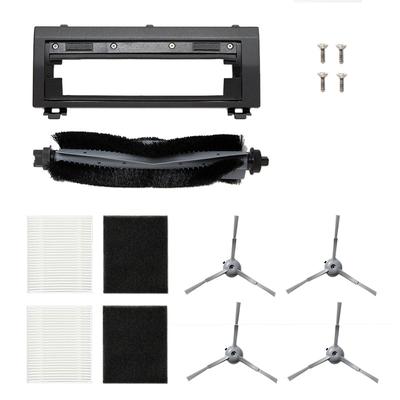
Uplift Picks TONEPIE Silicone Pad For Automatic Self Cleaning Cat Litter Box Accessories TONEPIE Silicone Pad For Automatic Self Cleaning Cat Litter Box AccessoriesKeep your cats litter area cleaner, neater, and easier to maintain with a silicone litter box pad made for TONEPIE automatic self cleaning litter box setups. This cat litter box accessory helps support everyday use by adding a practical replacement...210,95 $*Shipping: 0,00 $Secure redirect to the provider
-
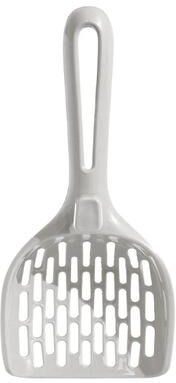
Uplift Picks Self Cleaning Cat Litter Scoop With Storage Base Self Cleaning Cat Litter Scoop With Storage BaseMake litter box cleaning faster and more convenient with this practical cat litter scoop designed for everyday pet care. Featuring a durable plastic shovel and matching storage base, this cleaning tool helps keep litter areas cleaner while reducing...51,00 $*Shipping: 0,00 $Secure redirect to the provider
-
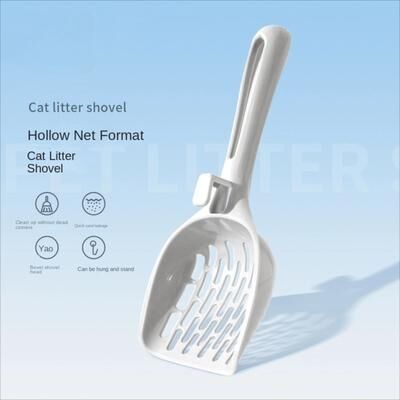
Inspired Finds Self Cleaning Cat Litter Scoop With Storage Base Self Cleaning Cat Litter Scoop With Storage BaseMake litter box cleaning faster, cleaner, and more hygienic with this practical cat litter scoop designed for everyday convenience. Featuring a durable slotted shovel and matching storage base, this selfcleaning litter scoop helps simplify waste...39,99 $*Shipping: 0,00 $Secure redirect to the provider
-
Smart Shopping Spot Self Cleaning Pet Hair Remover Roller For Clothes & Furniture Self Cleaning Pet Hair Remover Roller For Clothes & FurnitureTired of stubborn pet hair taking over your home and wardrobe The selfcleaning pet hair remover roller is designed for pet owners who value a clean, hairfree environment. Effortlessly remove dog and cat hair from sofas, carpets, and clothes without...29,97 $*Shipping: 0,00 $Secure redirect to the provider


-
What is pollination in flowers?
Pollination in flowers is the process by which pollen from the male reproductive organs (anthers) of a flower is transferred to the female reproductive organs (stigma) of the same or another flower, leading to fertilization and the production of seeds. This transfer of pollen can occur through various means, including wind, water, and animals such as bees, butterflies, and birds. Pollination is essential for the reproduction of flowering plants and the production of fruits and seeds. **
-
How does pollination occur in insects?
Pollination in insects occurs when they visit flowers in search of nectar or pollen. As they feed, they inadvertently brush against the reproductive parts of the flower, picking up pollen grains. When the insect moves to another flower of the same species, some of this pollen is transferred to the stigma, fertilizing the flower. This process allows for the successful reproduction of many plant species with the help of insect pollinators. **
-
What forms of pollination exist in primroses?
Primroses exhibit both self-pollination and cross-pollination. Self-pollination occurs when the plant's own pollen fertilizes its own ovules, leading to genetic uniformity. Cross-pollination, on the other hand, involves the transfer of pollen from one plant to another, promoting genetic diversity. Primroses can be pollinated by insects, such as bees and butterflies, as well as by wind. **
-
How does the pollination of insects occur?
Insect pollination occurs when insects, such as bees, butterflies, and beetles, visit flowers in search of nectar or pollen. As they move from flower to flower, they inadvertently transfer pollen from the male reproductive parts of one flower to the female reproductive parts of another. This transfer of pollen allows for fertilization and the production of seeds and fruits. Insects are attracted to flowers by their colors, scents, and nectar, and in the process of feeding, they facilitate the crucial process of pollination. **
How do metabolism and pollination work in plants?
Metabolism in plants involves the process of converting sunlight, water, and carbon dioxide into energy through photosynthesis. This energy is then used to fuel the plant's growth and development. Pollination, on the other hand, is the transfer of pollen from the male reproductive organs of a flower to the female reproductive organs, leading to fertilization and the production of seeds. This process can occur through wind, water, or animal pollinators such as bees, butterflies, or birds. Both metabolism and pollination are essential processes for the survival and reproduction of plants, allowing them to produce energy and propagate their species. **
How does the pollination of hazelnut plants occur?
Hazelnut plants are pollinated by the wind. The male flowers release pollen, which is then carried by the wind to the female flowers. The female flowers have a stigma that catches the pollen, allowing fertilization to occur. This process does not require the assistance of insects or other animals, as the wind is the primary method of pollination for hazelnut plants. **
Top-Angebote
Products related to Self-pollination:
-
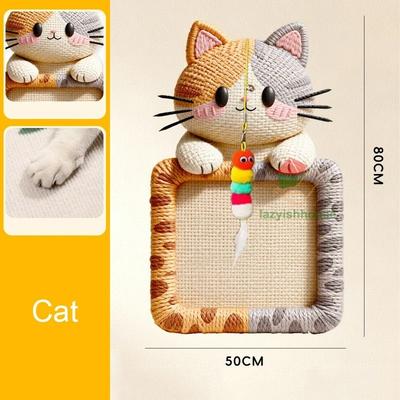
Uplift Essentials Self Adhesive Transparent Cat Scratch Furniture Protector Shield Self Adhesive Transparent Cat Scratch Furniture Protector ShieldSafeguard your valuable living room furniture, fabric couches, and leather recliners from destructive claw marks with our SelfAdhesive Transparent Cat Scratch Furniture Protector Shield. This premium antiscratch training roll features a heavyduty,...84,97 $*Shipping: 0,00 $Secure redirect to the provider
-
Uplift Picks TONEPIE Silicone Pad For Automatic Self Cleaning Cat Litter Box Accessories TONEPIE Silicone Pad For Automatic Self Cleaning Cat Litter Box AccessoriesKeep your cats litter area cleaner, neater, and easier to maintain with a silicone litter box pad made for TONEPIE automatic self cleaning litter box setups. This cat litter box accessory helps support everyday use by adding a practical replacement...210,95 $*Shipping: 0,00 $Secure redirect to the provider
-
Uplift Picks Self Cleaning Cat Litter Scoop With Storage Base Self Cleaning Cat Litter Scoop With Storage BaseMake litter box cleaning faster and more convenient with this practical cat litter scoop designed for everyday pet care. Featuring a durable plastic shovel and matching storage base, this cleaning tool helps keep litter areas cleaner while reducing...51,00 $*Shipping: 0,00 $Secure redirect to the provider
-
What is the difference between self-pollination and cross-pollination?
Self-pollination occurs when pollen from the same plant fertilizes the ovules within the same flower or between different flowers on the same plant. This can happen through the transfer of pollen by wind, water, or self-pollinating mechanisms. On the other hand, cross-pollination involves the transfer of pollen from the male reproductive organ of one plant to the female reproductive organ of another plant of the same species. This process promotes genetic diversity and can result in stronger, more resilient offspring. **
-
What are the advantages and disadvantages of self-pollination in plants?
Self-pollination in plants has advantages such as ensuring reproductive success even in isolated or small populations, as it does not rely on external agents like wind or insects for pollination. This can lead to faster and more efficient reproduction. However, self-pollination can also result in reduced genetic diversity within a population, making plants more susceptible to diseases and environmental changes. It can also limit the potential for beneficial genetic variations to arise through cross-pollination. **
-
What is pollination in flowers?
Pollination in flowers is the process by which pollen from the male reproductive organs (anthers) of a flower is transferred to the female reproductive organs (stigma) of the same or another flower, leading to fertilization and the production of seeds. This transfer of pollen can occur through various means, including wind, water, and animals such as bees, butterflies, and birds. Pollination is essential for the reproduction of flowering plants and the production of fruits and seeds. **
-
How does pollination occur in insects?
Pollination in insects occurs when they visit flowers in search of nectar or pollen. As they feed, they inadvertently brush against the reproductive parts of the flower, picking up pollen grains. When the insect moves to another flower of the same species, some of this pollen is transferred to the stigma, fertilizing the flower. This process allows for the successful reproduction of many plant species with the help of insect pollinators. **
Similar search terms for Self-pollination
-
Inspired Finds Self Cleaning Cat Litter Scoop With Storage Base Self Cleaning Cat Litter Scoop With Storage BaseMake litter box cleaning faster, cleaner, and more hygienic with this practical cat litter scoop designed for everyday convenience. Featuring a durable slotted shovel and matching storage base, this selfcleaning litter scoop helps simplify waste...39,99 $*Shipping: 0,00 $Secure redirect to the provider
-
Smart Shopping Spot Self Cleaning Pet Hair Remover Roller For Clothes & Furniture Self Cleaning Pet Hair Remover Roller For Clothes & FurnitureTired of stubborn pet hair taking over your home and wardrobe The selfcleaning pet hair remover roller is designed for pet owners who value a clean, hairfree environment. Effortlessly remove dog and cat hair from sofas, carpets, and clothes without...29,97 $*Shipping: 0,00 $Secure redirect to the provider
-
Uplifted Finds Self Adhesive Anti Scratch Furniture Protector cat"Protect your home investment without sacrificing your cat's natural instincts with the SelfAdhesive AntiScratch Protector. This heavyduty carpet mat is the ultimate solution for ""problem areas"" like sofa corners, door frames, and hallway walls...."83,97 $*Shipping: 0,00 $Secure redirect to the provider
-
Unique Non Slip Furniture Pads, Cuttable Self Adhesive Floor ProtectorThe furniture anti-skid pads can be applied to various furniture such as table legs, doors, chairs, sofas, vases, speakers, laptops, cabinets, drawers, keyboards, equipment, frames, home appliances, and more.25,99 $*Shipping: 0,00 $Secure redirect to the provider
-
What forms of pollination exist in primroses?
Primroses exhibit both self-pollination and cross-pollination. Self-pollination occurs when the plant's own pollen fertilizes its own ovules, leading to genetic uniformity. Cross-pollination, on the other hand, involves the transfer of pollen from one plant to another, promoting genetic diversity. Primroses can be pollinated by insects, such as bees and butterflies, as well as by wind. **
-
How does the pollination of insects occur?
Insect pollination occurs when insects, such as bees, butterflies, and beetles, visit flowers in search of nectar or pollen. As they move from flower to flower, they inadvertently transfer pollen from the male reproductive parts of one flower to the female reproductive parts of another. This transfer of pollen allows for fertilization and the production of seeds and fruits. Insects are attracted to flowers by their colors, scents, and nectar, and in the process of feeding, they facilitate the crucial process of pollination. **
-
How do metabolism and pollination work in plants?
Metabolism in plants involves the process of converting sunlight, water, and carbon dioxide into energy through photosynthesis. This energy is then used to fuel the plant's growth and development. Pollination, on the other hand, is the transfer of pollen from the male reproductive organs of a flower to the female reproductive organs, leading to fertilization and the production of seeds. This process can occur through wind, water, or animal pollinators such as bees, butterflies, or birds. Both metabolism and pollination are essential processes for the survival and reproduction of plants, allowing them to produce energy and propagate their species. **
-
How does the pollination of hazelnut plants occur?
Hazelnut plants are pollinated by the wind. The male flowers release pollen, which is then carried by the wind to the female flowers. The female flowers have a stigma that catches the pollen, allowing fertilization to occur. This process does not require the assistance of insects or other animals, as the wind is the primary method of pollination for hazelnut plants. **
* All prices are inclusive of VAT and, if applicable, plus shipping costs. The offer information is based on the details provided by the respective shop and is updated through automated processes. Real-time updates do not occur, so deviations can occur in individual cases. ** Note: Parts of this content were created by AI.