Buy xbedo.com ?
We are moving the project
xbedo.com .
Are you interested in purchasing the domain
xbedo.com ?
domain@kv-gmbh.de · 0541-91531010
Buy xbedo.com ?
What are colonies?
Colonies are territories or regions that are controlled and governed by a more powerful country or state. The ruling country typically establishes control over the colony for economic, political, or strategic reasons. Colonies are often established through conquest, settlement, or trade, and the ruling country may impose its own laws, customs, and language on the colony. Throughout history, many countries have established colonies around the world, leading to significant cultural, social, and economic impacts on both the ruling country and the colonized region. **
Should colonies be removed?
The decision to remove colonies should be carefully considered on a case-by-case basis. Colonies can have negative impacts on native ecosystems and species, and can also pose health and safety risks to humans. However, removal should be approached with caution, as it can disrupt the balance of local ecosystems and may not always be the most effective solution. It is important to consider alternative methods of managing colonies, such as habitat modification or relocation, before resorting to removal. Ultimately, the decision should be made with the goal of minimizing harm to both the environment and the animals involved. **

Similar search terms for Colonies
Top-Angebote
Products related to Colonies:
-
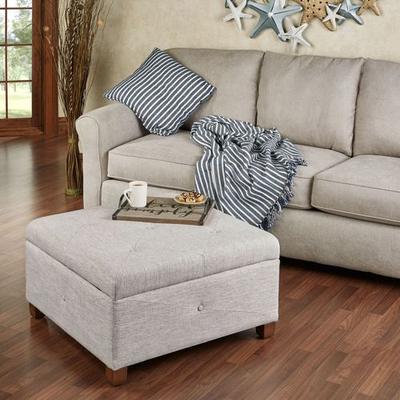
Jla Home/Furniture & Decor Caroline Storage Ottoman Tan , TanThe versatile Caroline Tan Storage Ottoman offers good looks, utility, and function. This wooden ottoman is beautifully covered in a tufted, heathered tan polyester fabric and is perfect in your living space. The cushioned top is great for sitting...289,00 $*Shipping: 0,00 $Secure redirect to the provider
-
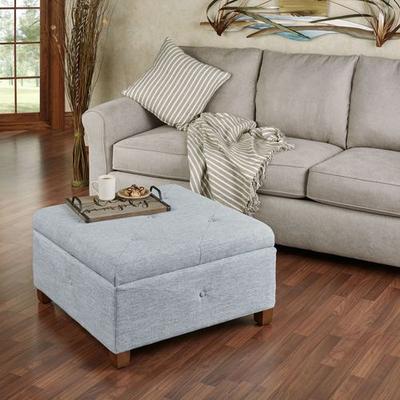
Jla Home/Furniture & Decor Caroline Storage Ottoman Blue Shadow , Blue ShadowThe versatile Caroline Blue Shadow Storage Ottoman offers good looks, utility, and function. This wooden ottoman is beautifully covered in a tufted, heathered blue shadow polyester fabric and is perfect in your living space. The cushioned top is...289,00 $*Shipping: 0,00 $Secure redirect to the provider
-
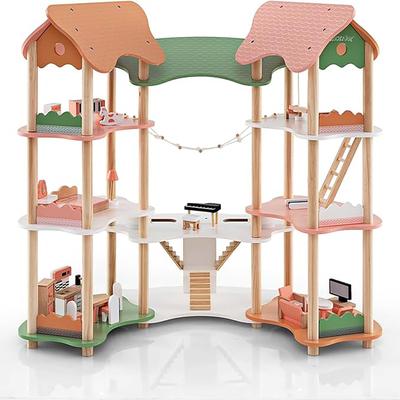
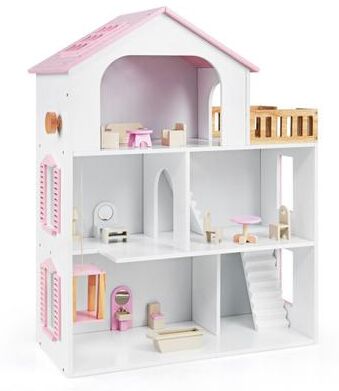
Kids Wooden Dollhouse Aged 3-8 w/ 32PCS Furniture AccessoriesGift your kids an enchanting world with our doll house! Featuring 3 tiers and 7 rooms, our doll house playset turns any nook of your child's room into a whimsical haven of delight.162,99 $*Shipping: 0,00 $Secure redirect to the provider

-
Which of the 13 English colonies clearly show that they are British colonies?
All 13 English colonies were British colonies, but some like Virginia, Massachusetts, and New York clearly demonstrate their British roots through their establishment by British settlers, adherence to British laws and governance, and economic ties to Britain through trade and commerce. These colonies maintained strong cultural, political, and economic connections to Britain, which influenced their development and identity as British colonies. **
-
Which of the 13 English colonies clearly demonstrate that they are British colonies?
The colony of Virginia clearly demonstrates that it is a British colony. Virginia was the first permanent English settlement in North America, established in 1607. It was named after Queen Elizabeth I, who was known as the "Virgin Queen." Virginia's government and society were heavily influenced by British customs and laws, and it played a significant role in the British colonial system. Additionally, Virginia was a royal colony, meaning it was under direct control of the British crown. **
-
Which colonies did Europe have?
Europe had colonies in various parts of the world, including Africa, Asia, the Americas, and the Pacific. Some of the major colonial powers included Britain, France, Spain, Portugal, the Netherlands, and Belgium. These colonial empires were established through exploration, conquest, and trade, and they played a significant role in shaping the modern world through the spread of European culture, language, and institutions. Many of these colonies gained independence in the 20th century, leading to the decolonization process. **
-
What are the Belgian colonies?
The Belgian colonies were territories that were under the control of Belgium during the colonial period. The most notable Belgian colonies were the Congo Free State (later known as the Belgian Congo) in Central Africa, and Rwanda and Burundi in East Africa. These colonies were established by King Leopold II in the late 19th century and were known for their brutal exploitation of the local populations, particularly in the case of the Congo Free State. Belgium's colonial rule in these territories lasted until the mid-20th century, when they gained independence. **
Did Austria-Hungary have colonies?
Yes, Austria-Hungary did have colonies. The empire had control over territories in Africa, including parts of present-day Tanzania, Burundi, and Rwanda. These territories were acquired through treaties and agreements with other European powers during the "Scramble for Africa" in the late 19th century. However, Austria-Hungary's colonial holdings were relatively small compared to other European powers, and the empire's focus remained primarily on its holdings in Europe. **
Why was Bismarck against colonies?
Bismarck was against colonies because he believed that they would distract Germany from its main goal of unifying and strengthening its own territory. He also feared that colonies would lead to costly overseas conflicts and divert resources away from domestic development. Additionally, Bismarck was concerned that colonies would create tensions with other European powers and potentially lead to conflicts that could threaten Germany's security. Therefore, he focused on building up Germany's power within Europe rather than seeking overseas colonies. **
Top-Angebote
Products related to Colonies:
-
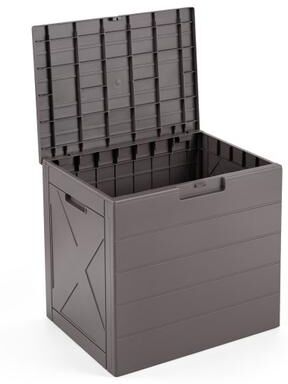
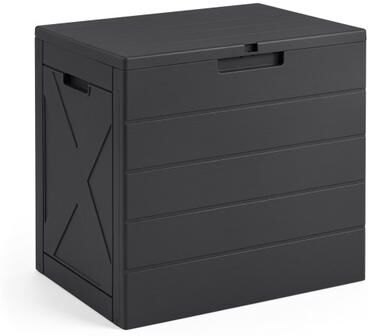
Costway 25 Gallon Storage Bin with Lid Carry Handles and Lock Hole for Patio Furniture Accessories-GrayTurn clutter into curb appeal with this 25-gallon outdoor deck storage box, which is made to hold everything from garden tools and pool gear to patio extras, packages, and everyday essentials.35,99 $*Shipping: 0,00 $Secure redirect to the provider
-
Jla Home/Furniture & Decor Caymus Storage Bench Gray , GrayThe Caymus Storage Bench offers a chic simplicity designed by Martha Stewart. With natural-finished wood legs, the bench features a wide upholstered design in light gray woven polyester with piped accents. The 3.25 thick, foam-filled cushion also...299,99 $*Shipping: 0,00 $Secure redirect to the provider
-
Jla Home/Furniture & Decor Caroline Storage Ottoman Tan , TanThe versatile Caroline Tan Storage Ottoman offers good looks, utility, and function. This wooden ottoman is beautifully covered in a tufted, heathered tan polyester fabric and is perfect in your living space. The cushioned top is great for sitting...289,00 $*Shipping: 0,00 $Secure redirect to the provider
-
Jla Home/Furniture & Decor Caroline Storage Ottoman Blue Shadow , Blue ShadowThe versatile Caroline Blue Shadow Storage Ottoman offers good looks, utility, and function. This wooden ottoman is beautifully covered in a tufted, heathered blue shadow polyester fabric and is perfect in your living space. The cushioned top is...289,00 $*Shipping: 0,00 $Secure redirect to the provider
-
What are colonies?
Colonies are territories or regions that are controlled and governed by a more powerful country or state. The ruling country typically establishes control over the colony for economic, political, or strategic reasons. Colonies are often established through conquest, settlement, or trade, and the ruling country may impose its own laws, customs, and language on the colony. Throughout history, many countries have established colonies around the world, leading to significant cultural, social, and economic impacts on both the ruling country and the colonized region. **
-
Should colonies be removed?
The decision to remove colonies should be carefully considered on a case-by-case basis. Colonies can have negative impacts on native ecosystems and species, and can also pose health and safety risks to humans. However, removal should be approached with caution, as it can disrupt the balance of local ecosystems and may not always be the most effective solution. It is important to consider alternative methods of managing colonies, such as habitat modification or relocation, before resorting to removal. Ultimately, the decision should be made with the goal of minimizing harm to both the environment and the animals involved. **
-
Which of the 13 English colonies clearly show that they are British colonies?
All 13 English colonies were British colonies, but some like Virginia, Massachusetts, and New York clearly demonstrate their British roots through their establishment by British settlers, adherence to British laws and governance, and economic ties to Britain through trade and commerce. These colonies maintained strong cultural, political, and economic connections to Britain, which influenced their development and identity as British colonies. **
-
Which of the 13 English colonies clearly demonstrate that they are British colonies?
The colony of Virginia clearly demonstrates that it is a British colony. Virginia was the first permanent English settlement in North America, established in 1607. It was named after Queen Elizabeth I, who was known as the "Virgin Queen." Virginia's government and society were heavily influenced by British customs and laws, and it played a significant role in the British colonial system. Additionally, Virginia was a royal colony, meaning it was under direct control of the British crown. **
Similar search terms for Colonies
-
Kids Wooden Dollhouse Aged 3-8 w/ 32PCS Furniture AccessoriesGift your kids an enchanting world with our doll house! Featuring 3 tiers and 7 rooms, our doll house playset turns any nook of your child's room into a whimsical haven of delight.162,99 $*Shipping: 0,00 $Secure redirect to the provider
-
Costway 25 Gallon Storage Bin with Lid Carry Handles and Lock Hole for Patio Furniture Accessories-BlackTurn clutter into curb appeal with this 25-gallon outdoor deck storage box, which is made to hold everything from garden tools and pool gear to patio extras, packages, and everyday essentials.35,99 $*Shipping: 0,00 $Secure redirect to the provider
-
Which colonies did Europe have?
Europe had colonies in various parts of the world, including Africa, Asia, the Americas, and the Pacific. Some of the major colonial powers included Britain, France, Spain, Portugal, the Netherlands, and Belgium. These colonial empires were established through exploration, conquest, and trade, and they played a significant role in shaping the modern world through the spread of European culture, language, and institutions. Many of these colonies gained independence in the 20th century, leading to the decolonization process. **
-
What are the Belgian colonies?
The Belgian colonies were territories that were under the control of Belgium during the colonial period. The most notable Belgian colonies were the Congo Free State (later known as the Belgian Congo) in Central Africa, and Rwanda and Burundi in East Africa. These colonies were established by King Leopold II in the late 19th century and were known for their brutal exploitation of the local populations, particularly in the case of the Congo Free State. Belgium's colonial rule in these territories lasted until the mid-20th century, when they gained independence. **
-
Did Austria-Hungary have colonies?
Yes, Austria-Hungary did have colonies. The empire had control over territories in Africa, including parts of present-day Tanzania, Burundi, and Rwanda. These territories were acquired through treaties and agreements with other European powers during the "Scramble for Africa" in the late 19th century. However, Austria-Hungary's colonial holdings were relatively small compared to other European powers, and the empire's focus remained primarily on its holdings in Europe. **
-
Why was Bismarck against colonies?
Bismarck was against colonies because he believed that they would distract Germany from its main goal of unifying and strengthening its own territory. He also feared that colonies would lead to costly overseas conflicts and divert resources away from domestic development. Additionally, Bismarck was concerned that colonies would create tensions with other European powers and potentially lead to conflicts that could threaten Germany's security. Therefore, he focused on building up Germany's power within Europe rather than seeking overseas colonies. **
* All prices are inclusive of VAT and, if applicable, plus shipping costs. The offer information is based on the details provided by the respective shop and is updated through automated processes. Real-time updates do not occur, so deviations can occur in individual cases. ** Note: Parts of this content were created by AI.