Buy xbedo.com ?
We are moving the project
xbedo.com .
Are you interested in purchasing the domain
xbedo.com ?
domain@kv-gmbh.de · 0541-91531010
Buy xbedo.com ?
How much iodine?
The recommended daily intake of iodine varies depending on age and life stage. For adults, the recommended daily intake is 150 micrograms per day. Pregnant and breastfeeding women have higher iodine needs, with recommended intakes of 220-290 micrograms per day. It is important to meet these recommended intakes to support thyroid function and overall health. **
What is the difference between iodine, iodide, iodate, and elemental iodine?
Iodine is a chemical element with the symbol I and atomic number 53. Iodide is an ion of iodine with a charge of -1, commonly found in salts like potassium iodide. Iodate is an ion of iodine with a charge of -1, commonly found in salts like potassium iodate. Elemental iodine refers to the diatomic form of iodine, where two iodine atoms are bonded together. **
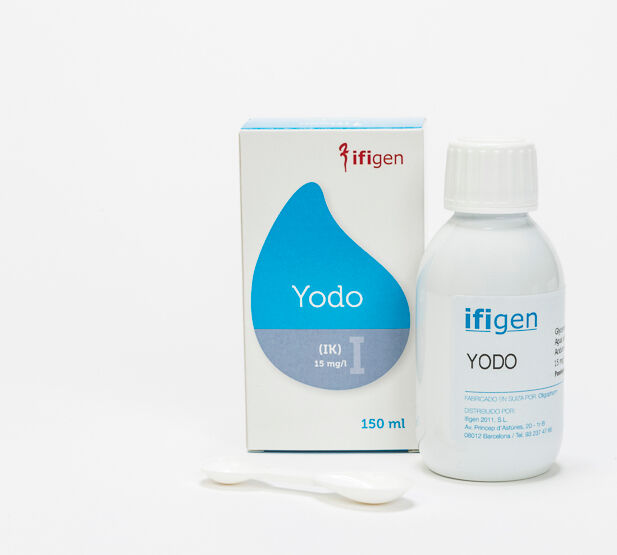
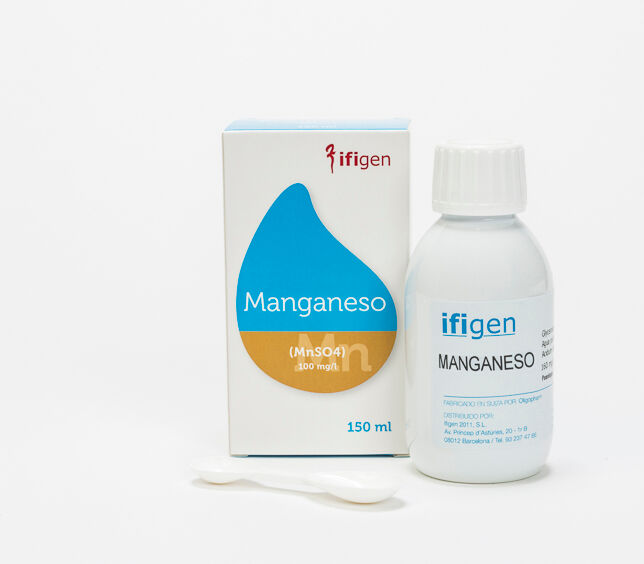
Similar search terms for Ifigen-Oligo-Iodine-150
Top-Angebote
Products related to Ifigen-Oligo-Iodine-150:
-
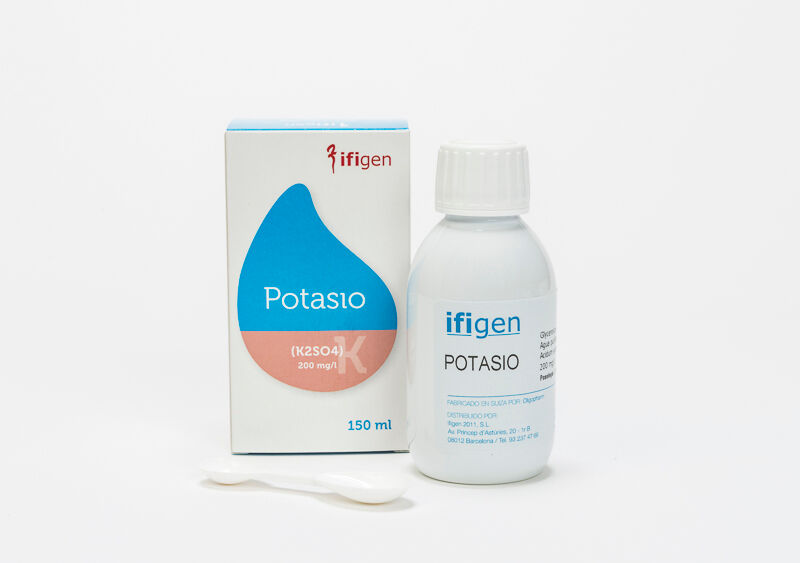
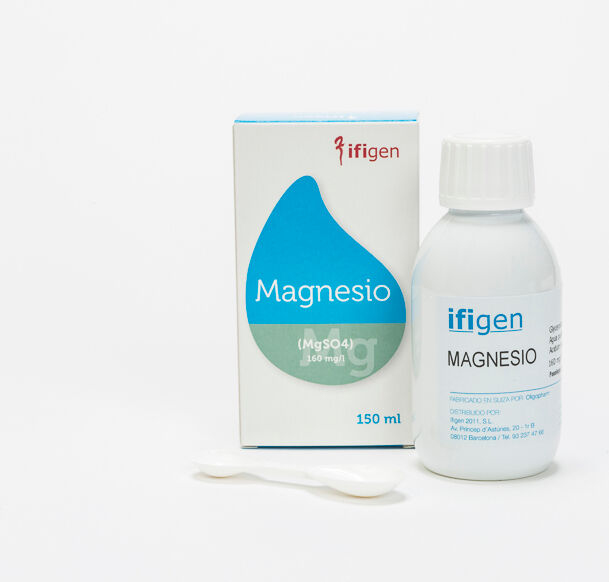
Ifigen Potassium bottle 150 ml 150 mlNutrition and Supplements Vitamins and minerals Ifigen Potassium bottle 150 ml 150 ml Potassium is a trace element that favors cellular and intracellular exchanges. Benefits for: - Water retention; the formula iodo-potassium-lithium-phosphorus is a polyvalent diuretic. - Osteoarthritis mechanisms (the biosynthesis of bone material is carried out from glucose G phosphate, which itself comes from glucose by an action of a hexo-kinase activated by potassium and magnesium) - Certain hypertension - Oliguria, rheumatism and all the abnormal tiredness of middle age (exhaustion). We can find it in fresh and dried fruits (especially in bananas), legumes and cereals. How to use: 2 ml a day. Eat outside of meals.14,58 £*Shipping: 3,99 £Secure redirect to the provider

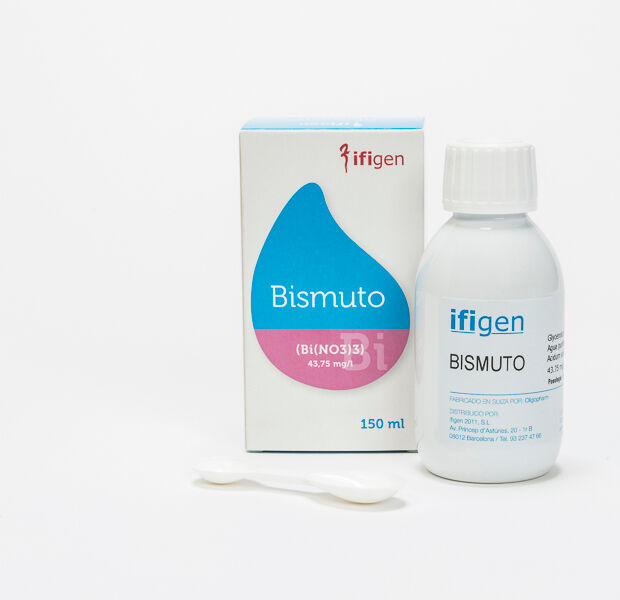
-
How is iodine absorbed?
Iodine is primarily absorbed in the small intestine. It is absorbed through a process called passive diffusion, where it moves across the intestinal lining and into the bloodstream. Once in the bloodstream, iodine is transported to the thyroid gland where it is used to produce thyroid hormones. Any excess iodine that is not needed by the body is excreted through the urine. **
-
What is correct: 150 or 150?
The correct answer is 150. **
-
How is iodine 123 produced?
Iodine-123 is produced through the decay of tellurium-123, which is a radioactive isotope of tellurium. Tellurium-123 is bombarded with high-energy protons in a particle accelerator, causing it to undergo a nuclear reaction and transform into iodine-123. This process is known as the proton bombardment method and is the most common method for producing iodine-123 for medical use. Once produced, iodine-123 is used in nuclear medicine imaging procedures, such as single photon emission computed tomography (SPECT), to diagnose and monitor various medical conditions. **
-
"Is iodine contained in buckwheat?"
Yes, iodine is contained in buckwheat. Buckwheat is a good source of iodine, which is an essential mineral for thyroid function and overall health. Including buckwheat in your diet can help ensure that you are getting enough iodine to support your body's needs. **


What is Betasaidonna iodine ointment?
Betasaidonna iodine ointment is a topical antiseptic medication that contains iodine as its active ingredient. It is commonly used to prevent and treat infections in minor cuts, scrapes, and burns. The iodine in the ointment helps to kill bacteria and other microorganisms, reducing the risk of infection. It is typically applied directly to the affected area and is available over the counter in many pharmacies. **
Does iodine help with hypothyroidism?
Iodine is essential for the production of thyroid hormones, so a deficiency in iodine can lead to hypothyroidism. In cases where hypothyroidism is caused by iodine deficiency, iodine supplementation can help to improve thyroid function. However, it's important to note that not all cases of hypothyroidism are caused by iodine deficiency, and in fact, most cases in developed countries are not. Therefore, it's important to consult with a healthcare professional to determine the underlying cause of hypothyroidism and the appropriate treatment. **
Top-Angebote
Products related to Ifigen-Oligo-Iodine-150:
-
Ifigen Potassium bottle 150 ml 150 mlNutrition and Supplements Vitamins and minerals Ifigen Potassium bottle 150 ml 150 ml Potassium is a trace element that favors cellular and intracellular exchanges. Benefits for: - Water retention; the formula iodo-potassium-lithium-phosphorus is a polyvalent diuretic. - Osteoarthritis mechanisms (the biosynthesis of bone material is carried out from glucose G phosphate, which itself comes from glucose by an action of a hexo-kinase activated by potassium and magnesium) - Certain hypertension - Oliguria, rheumatism and all the abnormal tiredness of middle age (exhaustion). We can find it in fresh and dried fruits (especially in bananas), legumes and cereals. How to use: 2 ml a day. Eat outside of meals.14,58 £*Shipping: 3,99 £Secure redirect to the provider
-
How much iodine?
The recommended daily intake of iodine varies depending on age and life stage. For adults, the recommended daily intake is 150 micrograms per day. Pregnant and breastfeeding women have higher iodine needs, with recommended intakes of 220-290 micrograms per day. It is important to meet these recommended intakes to support thyroid function and overall health. **
-
What is the difference between iodine, iodide, iodate, and elemental iodine?
Iodine is a chemical element with the symbol I and atomic number 53. Iodide is an ion of iodine with a charge of -1, commonly found in salts like potassium iodide. Iodate is an ion of iodine with a charge of -1, commonly found in salts like potassium iodate. Elemental iodine refers to the diatomic form of iodine, where two iodine atoms are bonded together. **
-
How is iodine absorbed?
Iodine is primarily absorbed in the small intestine. It is absorbed through a process called passive diffusion, where it moves across the intestinal lining and into the bloodstream. Once in the bloodstream, iodine is transported to the thyroid gland where it is used to produce thyroid hormones. Any excess iodine that is not needed by the body is excreted through the urine. **
-
What is correct: 150 or 150?
The correct answer is 150. **
Similar search terms for Ifigen-Oligo-Iodine-150
-
How is iodine 123 produced?
Iodine-123 is produced through the decay of tellurium-123, which is a radioactive isotope of tellurium. Tellurium-123 is bombarded with high-energy protons in a particle accelerator, causing it to undergo a nuclear reaction and transform into iodine-123. This process is known as the proton bombardment method and is the most common method for producing iodine-123 for medical use. Once produced, iodine-123 is used in nuclear medicine imaging procedures, such as single photon emission computed tomography (SPECT), to diagnose and monitor various medical conditions. **
-
"Is iodine contained in buckwheat?"
Yes, iodine is contained in buckwheat. Buckwheat is a good source of iodine, which is an essential mineral for thyroid function and overall health. Including buckwheat in your diet can help ensure that you are getting enough iodine to support your body's needs. **
-
What is Betasaidonna iodine ointment?
Betasaidonna iodine ointment is a topical antiseptic medication that contains iodine as its active ingredient. It is commonly used to prevent and treat infections in minor cuts, scrapes, and burns. The iodine in the ointment helps to kill bacteria and other microorganisms, reducing the risk of infection. It is typically applied directly to the affected area and is available over the counter in many pharmacies. **
-
Does iodine help with hypothyroidism?
Iodine is essential for the production of thyroid hormones, so a deficiency in iodine can lead to hypothyroidism. In cases where hypothyroidism is caused by iodine deficiency, iodine supplementation can help to improve thyroid function. However, it's important to note that not all cases of hypothyroidism are caused by iodine deficiency, and in fact, most cases in developed countries are not. Therefore, it's important to consult with a healthcare professional to determine the underlying cause of hypothyroidism and the appropriate treatment. **
* All prices are inclusive of VAT and, if applicable, plus shipping costs. The offer information is based on the details provided by the respective shop and is updated through automated processes. Real-time updates do not occur, so deviations can occur in individual cases. ** Note: Parts of this content were created by AI.