Buy xbedo.com ?
We are moving the project
xbedo.com .
Are you interested in purchasing the domain
xbedo.com ?
domain@kv-gmbh.de · 0541-91531010
Buy xbedo.com ?
What is an interrogative pronoun?
An interrogative pronoun is a pronoun used to ask questions. These pronouns include words like "who," "whom," "whose," "what," "which," and "whose." They are used to inquire about people, things, or qualities. Interrogative pronouns are essential for forming questions and seeking information in a sentence. **
What are interrogative pronouns in German?
Interrogative pronouns in German are used to ask questions and gather information. They include pronouns such as "wer" (who), "was" (what), "wo" (where), "wann" (when), "warum" (why), and "wie" (how). These pronouns are used at the beginning of a question to inquire about specific details or seek clarification. Interrogative pronouns play a crucial role in forming questions in the German language. **


Similar search terms for Interrogative
Top-Angebote
Products related to Interrogative:
-
Jla Home/Furniture & Decor Caroline Storage Ottoman Tan , TanThe versatile Caroline Tan Storage Ottoman offers good looks, utility, and function. This wooden ottoman is beautifully covered in a tufted, heathered tan polyester fabric and is perfect in your living space. The cushioned top is great for sitting...289,00 $*Shipping: 0,00 $Secure redirect to the provider
-
Jla Home/Furniture & Decor Caroline Storage Ottoman Blue Shadow , Blue ShadowThe versatile Caroline Blue Shadow Storage Ottoman offers good looks, utility, and function. This wooden ottoman is beautifully covered in a tufted, heathered blue shadow polyester fabric and is perfect in your living space. The cushioned top is...289,00 $*Shipping: 0,00 $Secure redirect to the provider
-
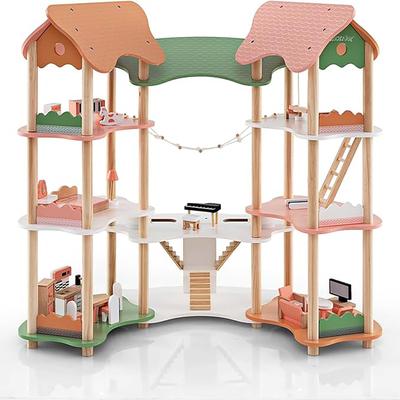
Kids Wooden Dollhouse Aged 3-8 w/ 32PCS Furniture AccessoriesGift your kids an enchanting world with our doll house! Featuring 3 tiers and 7 rooms, our doll house playset turns any nook of your child's room into a whimsical haven of delight.162,99 $*Shipping: 0,00 $Secure redirect to the provider



-
What is the difference between relative pronouns and interrogative pronouns?
Relative pronouns are used to connect a dependent clause to an independent clause, providing more information about a noun in the independent clause. They include words like "who," "which," and "that." Interrogative pronouns, on the other hand, are used to ask questions and gather information. They include words like "who," "what," "which," "whom," and "whose." The main difference between the two is their function in a sentence - relative pronouns connect clauses, while interrogative pronouns are used to ask questions. **
-
Is there an interrogative word without a w at the beginning?
Yes, there is an interrogative word without a "w" at the beginning. The word "how" is an interrogative word that does not start with a "w." It is used to ask about the manner or method in which something is done. **
-
Is an interrogative sentence a main clause or a subordinate clause?
An interrogative sentence is a main clause. It is a complete sentence that can stand alone and expresses a question. It does not depend on any other clause to make sense and is therefore considered a main clause. **
-
Which interrogative pronoun are you referring to when you mention the attribute?
When mentioning the attribute, I am referring to the interrogative pronoun "which." This pronoun is used to inquire about a specific choice or selection from a group of options. It helps to narrow down the possibilities and identify a particular item or characteristic. **
How do I recognize a relative clause, a conjunctional clause, and an interrogative clause?
A relative clause typically starts with a relative pronoun (such as who, whom, whose, which, or that) and provides more information about a noun in the main clause. A conjunctional clause, on the other hand, is introduced by a conjunction (such as and, but, or because) and connects two independent clauses. An interrogative clause is a type of clause that asks a question and is typically introduced by an interrogative pronoun (such as who, what, when, where, why, or how) or an interrogative adverb (such as how, when, or where). **
How can I recognize a relative clause, a conjunctional clause, and an interrogative clause?
A relative clause is a type of dependent clause that typically starts with a relative pronoun (such as who, whom, whose, which, or that) and provides additional information about a noun in the main clause. A conjunctional clause, on the other hand, is a dependent clause that functions as an adverb, adjective, or noun in a sentence and is connected to the main clause by a conjunction (such as because, although, if, when, etc.). An interrogative clause is a type of clause that asks a question and typically begins with a question word (such as who, what, where, when, why, or how) or with a helping verb followed by the subject. **
Top-Angebote
Products related to Interrogative:
-
Costway 25 Gallon Storage Bin with Lid Carry Handles and Lock Hole for Patio Furniture Accessories-GrayTurn clutter into curb appeal with this 25-gallon outdoor deck storage box, which is made to hold everything from garden tools and pool gear to patio extras, packages, and everyday essentials.35,99 $*Shipping: 0,00 $Secure redirect to the provider
-
Jla Home/Furniture & Decor Caymus Storage Bench Gray , GrayThe Caymus Storage Bench offers a chic simplicity designed by Martha Stewart. With natural-finished wood legs, the bench features a wide upholstered design in light gray woven polyester with piped accents. The 3.25 thick, foam-filled cushion also...299,99 $*Shipping: 0,00 $Secure redirect to the provider
-
Jla Home/Furniture & Decor Caroline Storage Ottoman Tan , TanThe versatile Caroline Tan Storage Ottoman offers good looks, utility, and function. This wooden ottoman is beautifully covered in a tufted, heathered tan polyester fabric and is perfect in your living space. The cushioned top is great for sitting...289,00 $*Shipping: 0,00 $Secure redirect to the provider
-
Jla Home/Furniture & Decor Caroline Storage Ottoman Blue Shadow , Blue ShadowThe versatile Caroline Blue Shadow Storage Ottoman offers good looks, utility, and function. This wooden ottoman is beautifully covered in a tufted, heathered blue shadow polyester fabric and is perfect in your living space. The cushioned top is...289,00 $*Shipping: 0,00 $Secure redirect to the provider
-
What is an interrogative pronoun?
An interrogative pronoun is a pronoun used to ask questions. These pronouns include words like "who," "whom," "whose," "what," "which," and "whose." They are used to inquire about people, things, or qualities. Interrogative pronouns are essential for forming questions and seeking information in a sentence. **
-
What are interrogative pronouns in German?
Interrogative pronouns in German are used to ask questions and gather information. They include pronouns such as "wer" (who), "was" (what), "wo" (where), "wann" (when), "warum" (why), and "wie" (how). These pronouns are used at the beginning of a question to inquire about specific details or seek clarification. Interrogative pronouns play a crucial role in forming questions in the German language. **
-
What is the difference between relative pronouns and interrogative pronouns?
Relative pronouns are used to connect a dependent clause to an independent clause, providing more information about a noun in the independent clause. They include words like "who," "which," and "that." Interrogative pronouns, on the other hand, are used to ask questions and gather information. They include words like "who," "what," "which," "whom," and "whose." The main difference between the two is their function in a sentence - relative pronouns connect clauses, while interrogative pronouns are used to ask questions. **
-
Is there an interrogative word without a w at the beginning?
Yes, there is an interrogative word without a "w" at the beginning. The word "how" is an interrogative word that does not start with a "w." It is used to ask about the manner or method in which something is done. **
Similar search terms for Interrogative
-
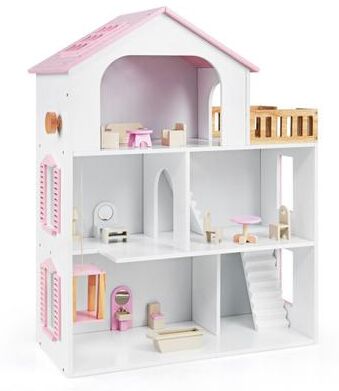
Kids Wooden Dollhouse Aged 3-8 w/ 32PCS Furniture AccessoriesGift your kids an enchanting world with our doll house! Featuring 3 tiers and 7 rooms, our doll house playset turns any nook of your child's room into a whimsical haven of delight.162,99 $*Shipping: 0,00 $Secure redirect to the provider
-
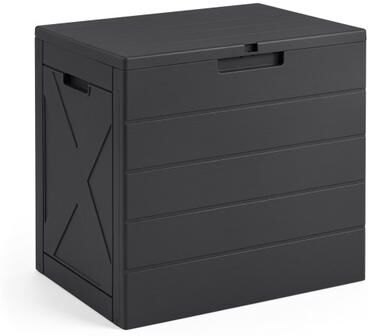
Costway 25 Gallon Storage Bin with Lid Carry Handles and Lock Hole for Patio Furniture Accessories-BlackTurn clutter into curb appeal with this 25-gallon outdoor deck storage box, which is made to hold everything from garden tools and pool gear to patio extras, packages, and everyday essentials.35,99 $*Shipping: 0,00 $Secure redirect to the provider
-
Is an interrogative sentence a main clause or a subordinate clause?
An interrogative sentence is a main clause. It is a complete sentence that can stand alone and expresses a question. It does not depend on any other clause to make sense and is therefore considered a main clause. **
-
Which interrogative pronoun are you referring to when you mention the attribute?
When mentioning the attribute, I am referring to the interrogative pronoun "which." This pronoun is used to inquire about a specific choice or selection from a group of options. It helps to narrow down the possibilities and identify a particular item or characteristic. **
-
How do I recognize a relative clause, a conjunctional clause, and an interrogative clause?
A relative clause typically starts with a relative pronoun (such as who, whom, whose, which, or that) and provides more information about a noun in the main clause. A conjunctional clause, on the other hand, is introduced by a conjunction (such as and, but, or because) and connects two independent clauses. An interrogative clause is a type of clause that asks a question and is typically introduced by an interrogative pronoun (such as who, what, when, where, why, or how) or an interrogative adverb (such as how, when, or where). **
-
How can I recognize a relative clause, a conjunctional clause, and an interrogative clause?
A relative clause is a type of dependent clause that typically starts with a relative pronoun (such as who, whom, whose, which, or that) and provides additional information about a noun in the main clause. A conjunctional clause, on the other hand, is a dependent clause that functions as an adverb, adjective, or noun in a sentence and is connected to the main clause by a conjunction (such as because, although, if, when, etc.). An interrogative clause is a type of clause that asks a question and typically begins with a question word (such as who, what, where, when, why, or how) or with a helping verb followed by the subject. **
* All prices are inclusive of VAT and, if applicable, plus shipping costs. The offer information is based on the details provided by the respective shop and is updated through automated processes. Real-time updates do not occur, so deviations can occur in individual cases. ** Note: Parts of this content were created by AI.