Buy xbedo.com ?
We are moving the project
xbedo.com .
Are you interested in purchasing the domain
xbedo.com ?
domain@kv-gmbh.de · 0541-91531010
Buy xbedo.com ?
What distinguishes conditional probability from independent probability?
Conditional probability is the probability of an event occurring given that another event has already occurred. It takes into account the information about the occurrence of one event when calculating the probability of another event. Independent probability, on the other hand, is the probability of one event occurring without any influence from the occurrence of another event. In other words, conditional probability is influenced by the occurrence of a specific event, while independent probability is not influenced by any other event. **
What is a probability space in probability theory?
A probability space in probability theory consists of three components: a sample space, an event space, and a probability measure. The sample space is the set of all possible outcomes of an experiment, the event space is a collection of subsets of the sample space representing different events, and the probability measure assigns a probability to each event in the event space. Together, these components define the mathematical framework for analyzing the likelihood of different outcomes in a probabilistic setting. **


Similar search terms for Probability
Top-Angebote
Products related to Probability:
-
Jla Home/Furniture & Decor Caymus Storage Bench Gray , GrayThe Caymus Storage Bench offers a chic simplicity designed by Martha Stewart. With natural-finished wood legs, the bench features a wide upholstered design in light gray woven polyester with piped accents. The 3.25 thick, foam-filled cushion also...299,99 $*Shipping: 0,00 $Secure redirect to the provider
-
Jla Home/Furniture & Decor Caroline Storage Ottoman Blue Shadow , Blue ShadowThe versatile Caroline Blue Shadow Storage Ottoman offers good looks, utility, and function. This wooden ottoman is beautifully covered in a tufted, heathered blue shadow polyester fabric and is perfect in your living space. The cushioned top is...289,00 $*Shipping: 0,00 $Secure redirect to the provider
-
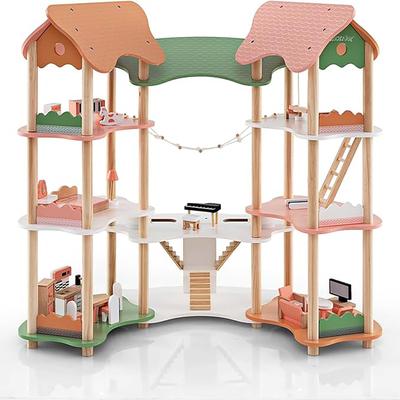
Kids Wooden Dollhouse Aged 3-8 w/ 32PCS Furniture AccessoriesGift your kids an enchanting world with our doll house! Featuring 3 tiers and 7 rooms, our doll house playset turns any nook of your child's room into a whimsical haven of delight.162,99 $*Shipping: 0,00 $Secure redirect to the provider



-
How do you correctly calculate probability in probability theory?
In probability theory, the probability of an event occurring is calculated by dividing the number of favorable outcomes by the total number of possible outcomes. This can be represented as P(A) = (Number of favorable outcomes) / (Total number of possible outcomes). It is important to ensure that all possible outcomes are accounted for and that the favorable outcomes are correctly identified. Additionally, the probability of multiple events occurring can be calculated using the multiplication rule for independent events or the addition rule for mutually exclusive events. **
-
What are the rules of probability in probability theory?
In probability theory, the rules of probability govern how probabilities are calculated and combined. The rules include the addition rule, which states that the probability of either of two mutually exclusive events occurring is the sum of their individual probabilities. The multiplication rule is used to calculate the probability of two independent events both occurring. Additionally, the complement rule states that the probability of an event not occurring is 1 minus the probability of the event occurring. These rules are fundamental in determining the likelihood of different outcomes in various situations. **
-
What is the probability in percent in probability theory?
In probability theory, the probability of an event is a measure of the likelihood that the event will occur. It is usually expressed as a number between 0 and 1, or as a percentage between 0% and 100%. A probability of 0% means the event is impossible, while a probability of 100% means the event is certain to occur. The probability of an event can be calculated using various methods, such as counting outcomes, using probability distributions, or applying statistical techniques. **
-
With what probability?
With what probability? The probability of an event occurring is a measure of how likely it is to happen, expressed as a number between 0 and 1. The probability of an event that is certain to happen is 1, while the probability of an event that is impossible is 0. Probabilities between 0 and 1 indicate the likelihood of an event occurring, with higher probabilities indicating a greater likelihood. **

What is the difference between conditional probability and marginal probability?
Conditional probability is the probability of an event occurring given that another event has already occurred. It is denoted as P(A|B), where A is the event of interest and B is the condition. Marginal probability, on the other hand, is the probability of a single event occurring without any conditions. It is denoted as P(A), where A is the event of interest. In other words, conditional probability takes into account a specific condition, while marginal probability does not consider any specific conditions. **
What is the difference between total probability and conditional probability?
Total probability refers to the probability of an event occurring, taking into account all possible outcomes. It is calculated by summing the probabilities of all possible outcomes. Conditional probability, on the other hand, refers to the probability of an event occurring given that another event has already occurred. It is calculated by dividing the probability of the intersection of the two events by the probability of the given event. In essence, total probability considers all possible outcomes, while conditional probability focuses on the probability of an event given certain conditions. **
Top-Angebote
Products related to Probability:
-
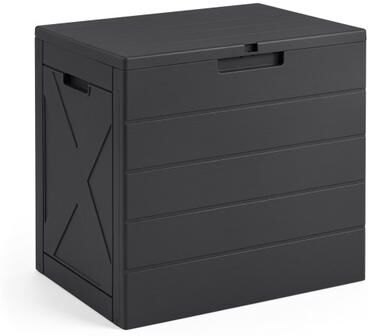
Costway 25 Gallon Storage Bin with Lid Carry Handles and Lock Hole for Patio Furniture Accessories-GrayTurn clutter into curb appeal with this 25-gallon outdoor deck storage box, which is made to hold everything from garden tools and pool gear to patio extras, packages, and everyday essentials.35,99 $*Shipping: 0,00 $Secure redirect to the provider
-
Jla Home/Furniture & Decor Caroline Storage Ottoman Tan , TanThe versatile Caroline Tan Storage Ottoman offers good looks, utility, and function. This wooden ottoman is beautifully covered in a tufted, heathered tan polyester fabric and is perfect in your living space. The cushioned top is great for sitting...289,00 $*Shipping: 0,00 $Secure redirect to the provider
-
Jla Home/Furniture & Decor Caymus Storage Bench Gray , GrayThe Caymus Storage Bench offers a chic simplicity designed by Martha Stewart. With natural-finished wood legs, the bench features a wide upholstered design in light gray woven polyester with piped accents. The 3.25 thick, foam-filled cushion also...299,99 $*Shipping: 0,00 $Secure redirect to the provider
-
Jla Home/Furniture & Decor Caroline Storage Ottoman Blue Shadow , Blue ShadowThe versatile Caroline Blue Shadow Storage Ottoman offers good looks, utility, and function. This wooden ottoman is beautifully covered in a tufted, heathered blue shadow polyester fabric and is perfect in your living space. The cushioned top is...289,00 $*Shipping: 0,00 $Secure redirect to the provider
-
What distinguishes conditional probability from independent probability?
Conditional probability is the probability of an event occurring given that another event has already occurred. It takes into account the information about the occurrence of one event when calculating the probability of another event. Independent probability, on the other hand, is the probability of one event occurring without any influence from the occurrence of another event. In other words, conditional probability is influenced by the occurrence of a specific event, while independent probability is not influenced by any other event. **
-
What is a probability space in probability theory?
A probability space in probability theory consists of three components: a sample space, an event space, and a probability measure. The sample space is the set of all possible outcomes of an experiment, the event space is a collection of subsets of the sample space representing different events, and the probability measure assigns a probability to each event in the event space. Together, these components define the mathematical framework for analyzing the likelihood of different outcomes in a probabilistic setting. **
-
How do you correctly calculate probability in probability theory?
In probability theory, the probability of an event occurring is calculated by dividing the number of favorable outcomes by the total number of possible outcomes. This can be represented as P(A) = (Number of favorable outcomes) / (Total number of possible outcomes). It is important to ensure that all possible outcomes are accounted for and that the favorable outcomes are correctly identified. Additionally, the probability of multiple events occurring can be calculated using the multiplication rule for independent events or the addition rule for mutually exclusive events. **
-
What are the rules of probability in probability theory?
In probability theory, the rules of probability govern how probabilities are calculated and combined. The rules include the addition rule, which states that the probability of either of two mutually exclusive events occurring is the sum of their individual probabilities. The multiplication rule is used to calculate the probability of two independent events both occurring. Additionally, the complement rule states that the probability of an event not occurring is 1 minus the probability of the event occurring. These rules are fundamental in determining the likelihood of different outcomes in various situations. **
Similar search terms for Probability
-
Kids Wooden Dollhouse Aged 3-8 w/ 32PCS Furniture AccessoriesGift your kids an enchanting world with our doll house! Featuring 3 tiers and 7 rooms, our doll house playset turns any nook of your child's room into a whimsical haven of delight.162,99 $*Shipping: 0,00 $Secure redirect to the provider
-
Multicon Wholesale Hub Portable Leather Watch Case Travel Jewelry Storage Organizer For Watches & Accessories Portable Leather Watch Case Travel Jewelry Storage Organizer For Watches & AccessoriesKeep your valuable watches safe and organized wherever you go with this Portable Leather Watch Case(without watches). Designed with both style and functionality in mind, this compact storage solution is perfect for travelers and watch enthusiasts...64,97 $*Shipping: 0,00 $Secure redirect to the provider
-
Costway 25 Gallon Storage Bin with Lid Carry Handles and Lock Hole for Patio Furniture Accessories-BlackTurn clutter into curb appeal with this 25-gallon outdoor deck storage box, which is made to hold everything from garden tools and pool gear to patio extras, packages, and everyday essentials.35,99 $*Shipping: 0,00 $Secure redirect to the provider
-
What is the probability in percent in probability theory?
In probability theory, the probability of an event is a measure of the likelihood that the event will occur. It is usually expressed as a number between 0 and 1, or as a percentage between 0% and 100%. A probability of 0% means the event is impossible, while a probability of 100% means the event is certain to occur. The probability of an event can be calculated using various methods, such as counting outcomes, using probability distributions, or applying statistical techniques. **
-
With what probability?
With what probability? The probability of an event occurring is a measure of how likely it is to happen, expressed as a number between 0 and 1. The probability of an event that is certain to happen is 1, while the probability of an event that is impossible is 0. Probabilities between 0 and 1 indicate the likelihood of an event occurring, with higher probabilities indicating a greater likelihood. **
-
What is the difference between conditional probability and marginal probability?
Conditional probability is the probability of an event occurring given that another event has already occurred. It is denoted as P(A|B), where A is the event of interest and B is the condition. Marginal probability, on the other hand, is the probability of a single event occurring without any conditions. It is denoted as P(A), where A is the event of interest. In other words, conditional probability takes into account a specific condition, while marginal probability does not consider any specific conditions. **
-
What is the difference between total probability and conditional probability?
Total probability refers to the probability of an event occurring, taking into account all possible outcomes. It is calculated by summing the probabilities of all possible outcomes. Conditional probability, on the other hand, refers to the probability of an event occurring given that another event has already occurred. It is calculated by dividing the probability of the intersection of the two events by the probability of the given event. In essence, total probability considers all possible outcomes, while conditional probability focuses on the probability of an event given certain conditions. **
* All prices are inclusive of VAT and, if applicable, plus shipping costs. The offer information is based on the details provided by the respective shop and is updated through automated processes. Real-time updates do not occur, so deviations can occur in individual cases. ** Note: Parts of this content were created by AI.